A City of Small Actions - nurture a sense of agency, responsibility, and teamwork.
- Wednesday March 25th 2026
- Topical Teaching, Activities & Teaching Ideas, KS1, KS2, KS3
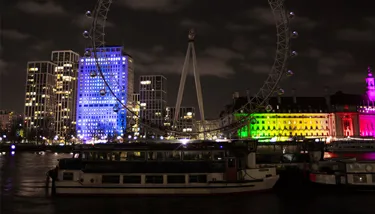
Each year, as the lights of the London Eye dim for Earth Hour, the London skyline becomes a powerful symbol of collective action. In that moment, a familiar landmark seen by millions highlights a simple idea: small, individual choices can add up to meaningful change when shared across communities. Earth Hour is therefore not only about turning lights off, but about raising awareness of how people can act together with a shared purpose.
These teaching ideas are designed to help bring that message into the classroom. Rather than full lesson plans, they offer flexible starting points that teachers can adapt across different age groups, subjects, and learning contexts. Using familiar London landmarks/attractions and perspectives, each idea encourages pupils to explore how individual actions connect to wider social and environmental change, supporting discussion, critical thinking, and real-world connections within existing teaching.
A City of Small Actions
Inspired by the London Eye (KS1-3). Use the changing view from the London Eye to help pupils understand how individual actions come together across a whole city.
Activity: Earth Hour visualisation
Starter (3-5mins, whole class): You step into a capsule on the London Eye. As you begin to rise, you see homes, streets, and buildings below.
Ask:
- What are people doing in their daily lives?
- What uses energy in the city?
Main Discussion (5-10mins, pairs or class discussion): It’s Earth Hour - lights begin switching off across the city. One home, then another, then whole streets.
Ask:
- What do you notice as more people take part?
- How does the city change as lights go out?
- Is this just symbolic, or does it have real impact?
Output: Partner discussion + 1 shared class idea
Plenary (5mins): At the top, you can now see the whole city.
Ask:
- If millions of people continued these small actions every day, what could London look like in the future?
- How might this impact places beyond the city?
Output: 1–2 sentence verbal or written response
Why it sparks learning:
- (KS1/KS2 Geography): Understand how small actions (e.g. turning off lights) create large-scale change
- (KS2/KS3 Geography & Sustainability): Explore how cities contribute to global issues like energy use and climate change
From One Capsule to a Global View
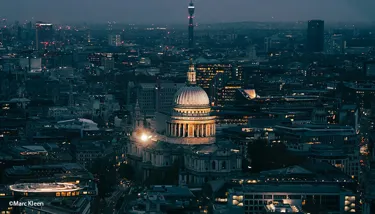
Inspired by the London Eye (KS1-3). Use the journey of rising above London to help pupils understand how local actions connect to global change.
Activity: From local to global
Starter (3-5 mins, whole class): You step into a capsule on the London Eye at ground level. Your actions feel small and local..
Ask:
- What can you see around you?
- What small actions could you take to help the environment (e.g. saving energy, turning off lights)?
Output: Verbal responses or quick paired ideas
Main (5-10 mins, pairs or small groups): As the capsule rises, your view expands across London. More people are taking part in Earth Hour.
Ask:
- How do small actions begin to connect across the city?
- What changes might you notice as more people join in?
- Why does participation matter?
Output: Group discussion + 1 shared class idea
Plenary (5 mins, individual or class): At the top, you can see far beyond London. Now imagine people across the world taking part in Earth Hour.
Ask:
- What global changes could happen if millions of people take part?
- How do local actions link to global environmental impact?
Output: 1-2 sentence verbal or written response
Why it sparks learning:
- (KS1/KS2 Geography): Understand that individual actions contribute to wider change
(KS2/KS3 Geography & Sustainability): Explore how local behaviours scale to global environmental impact
The Ripple Effect
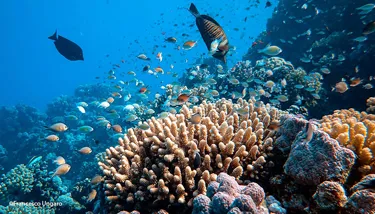
Inspired by SEA LIFE (KS1-3). Help pupils of all ages explore how one small action, like turning off a light, can grow into a global movement that protects our oceans.
Activity: Earth Hour and the ripple effect
Starter (3-5 mins, whole class): One person switches off a light during Earth Hour.
Ask:
- It feels like a very small action, does it really matter?
- What difference could one person make?
Output: Quick class discussion or paired responses
Main (5-10 mins, pairs or groups) Now imagine more people joining in - your class, your school, your city, then millions around the world.
Ask:
- How do these small actions build up over time?
- What changes might happen to the planet?
- How could this affect oceans (e.g. pollution, habitats, marine life)?
Output: Group ideas + 1 shared class response
Plenary (5 mins, individual or class): Over time, people continue making small changes every day.
Ask:
- How could the ocean improve in the future?
- What might sea creatures notice?
- What would a healthier ocean look like?
Output: 1-2 sentence verbal or written response
Why it sparks learning:
- (KS1 Science/Geography): Simple cause and effect (actions help animals and environments)
- (KS2 Geography/Science): Links between energy use, pollution, and ocean health
- (KS3 Geography/Science): Systems thinking - how human behaviour impacts climate and marine ecosystems
The Power of Many Faces
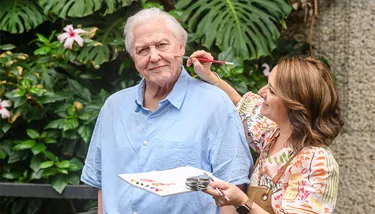
Inspired by Madame Tussauds London (KS2/KS3). Use the idea of a room full of famous figures to explore how influence spreads and how some individuals can inspire many others to act.
Activity: Earth Hour and influence
Starter (3-5 mins, whole class): You walk through Madame Tussauds London and see many well-known figures. Each represents someone with influence.
Ask:
- What gives a person influence?
- Why do some voices reach more people than others?
Output: Brief paired discussion or class brainstorm
Main (5-10 mins, pairs or small groups): Imagine each figure shares a message about Earth Hour, not just switching off lights, but encouraging others to take part.
Ask:
- What happens when one person influences thousands or millions?
- How do ideas spread from one person to many?
- Can influence lead to real behaviour change?
Output: Group discussion + 1 shared example of influence
Plenary (5 mins, individual or class): Step back and consider the whole room.
Ask:
- How does this show that change grows when people inspire others?
- Is influence more powerful when it is shared? Why?
Output: 1–2 sentence verbal or written response
Why it sparks learning:
- (KS2 PSHE / Geography): Understand influence, responsibility, and how ideas spread
- (KS3 PSHE / Citizenship / Geography): Explore social influence, networks, and collective behaviour change
- Encourages students to see how individual actions can scale through communication and inspiration
Related Posts

London Stories, Building Storytelling Skills
If London were a book, what story would it tell? From its bustling streets and iconic landmarks to its hidden histories and quirky attractions, the capital is packed with inspiration for National Storytelling Week and beyond.
Read more
Tap into Camden: a curriculum rooted in culture, creativity and place
Discover the power of place through London Borough of Camden - where history, creativity, diversity and urban life create rich, connected curriculum opportunities that spark curiosity, critical thinking and belonging.
Read more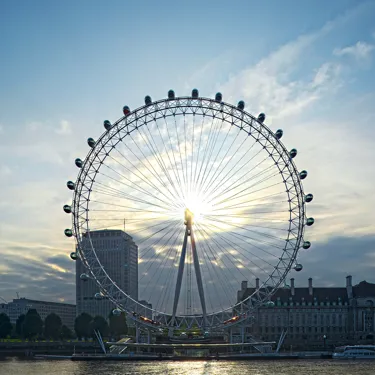
The cultural capital
Using London as a lens for learning can help bring abstract concepts to life and leave students feeling connected to the world around them.
Read more
10 top tips for planning the ultimate school trip in London
London offers endless itineraries to suit any learning objective. But with so much to choose from and to think about, how can you go about booking the ultimate school trip?
Read more