
Best Time to Visit the London Eye
- Thursday July 30th 2026
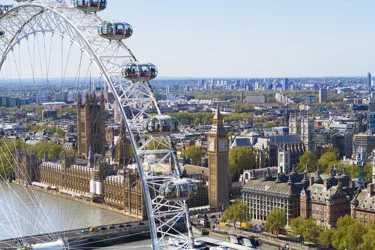
Discover the best time to see the capital city skyline by exploring the London Eye opening times. Every season reveals a different side of the capital, like misty autumn mornings, sun-stretched summer skylines and twinkling winter highstreets to fit your mood. This guide covers everything you need to plan your visit: seasonal highlights, London Eye Fast Track Tickets and tips for making the most of every moment.
What Is the Best Time of Day To Visit the London Eye?
The time of day you choose shapes the whole London Eye experience. Broadly, early mornings and later-evening slots offer the quietest ride and the most atmospheric views. But every time of day has something different to offer.
Before you visit London Eye, always check the official London Eye opening times calendar. Hours shift throughout the year to be longer into the summer evenings, shorter in winter, and variable on UK bank holidays and school holidays.
The Morning Slot
Arrive at opening and you’ll find the London Eye queue times at their shortest. The light is clear and crisp, London is just waking up below you, and the capsules are blissfully quiet. For families, this is a calm window before the midday peak.
The Golden Hour (Sunset)
Catching the London Eye at sunset is unforgettable. The Thames turns amber, the skyline glows, and the city’s famous landmarks are bathed in golden light. No wonder sunset slots fill quickly, so book London Eye fast track tickets in advance to guarantee your preferred time.
The Night Slot
After dark, London becomes a glittering city of lights. The night slot is romantic, dramatic, and far quieter than the afternoon. Late-night rides highly depend on seasonal schedules though, so check our London Eye opening times.
Check the Official London Eye Calendar
Seasonal Guide: Spectacular Views and Festive Magic Throughout the Year
London’s charm changes with every season, and so do the views from 135 metres above the Thames. There’s no single best time to visit the London Eye, it depends entirely on what you want to experience.
Spring & Summer (Blossoms & Long Twilights)
Spring brings milder temperatures, blossoming parks, and clearer skies, ideal for long-distance visibility. Summer has the longest daylight hours and the most extended London Eye opening times, with the attraction typically open from 10am to 8.30pm during the warmer months. It’s the busiest period, but for good reason: panoramic views from a glass capsule at golden hour are hard to beat.
Autumn (Golden Foliage over Westminster)
September and October are hidden gems. Crowds thin out, and the city’s trees turn extraordinary shades of red, ochre and gold. From up here, autumn views across Westminster and the South Bank look like oil paintings. London Eye opening times begin to shorten at this time of year, so check the London Eye opening times before you visit.
Winter (Festive & Christmas Lights)
Winter is London at its most theatrical. On cold, clear days, visibility from the capsule can be extraordinary. Crisp air means sharp, far-reaching views across the capital. And come December, the city below is lit up by the festivities. It’s a magical time to visit. Hours are shorter in winter, and the London Eye closes on Christmas Day and for its annual maintenance period in January.
Check the London Eye events page for seasonal experiences throughout the year.
The Insider’s Tip: How To Beat the Queues
Queues peak between midday and mid-afternoon and build fast on weekends and school holidays. The simplest way to take control of your day is to plan your timeslot and book ahead.
Booking online in advance is always cheaper than walk-up pricing and guarantees your preferred time slot. If queues are a concern, London Eye fast track tickets let you skip the standard queue and board sooner, which is especially useful on busy weekends and school holidays.
For something more intimate, the London Eye also offers exclusive private pod experiences for groups, and romantic Cupid's Pods for two. Perfect for special occasions.
FAQs: Timing and Planning Your Visit
Is it better to go on the London Eye during the day or at night?
Both offer something special. During the day you’ll get the best visibility and the full panoramic view of London’s skyline. At night, the city is a spectacular display of light. If you can only choose one, the best time to visit the London Eye for drama and atmosphere is just before or after sunset. The transition from day to night from 135 metres is breathtaking.
What is the quietest time to visit the London Eye?
Early morning on a weekday away from school holidays offers the shortest London Eye queue times. Arriving at or just after opening is the single most reliable way to minimise your wait.
Is the London Eye worth it if it’s raining?
The London Eye operates safely in almost all weather conditions. Light rain can actually reduce crowds, and the glass capsules keep you dry and comfortable throughout the 30-minute rotation. For the clearest views, a dry, clear day is ideal. But a moody London skyline has its own kind of atmosphere.
Do you need to book London Eye tickets in advance?
Booking online in advance is strongly recommended to avoid missing out if simply turning up at any time – it also costs less than walk-up pricing. Fast track tickets guarantees entry at a chosen time and we recommend booking those in advance too. Browse London Eye tickets and prices to find the option that suits your visit.
What is the best time of day to take photos from the London Eye?
The golden hour – the hour before sunset – produces the most dramatic light for photography. Clear mornings are excellent for sharp, detailed shots across the skyline. For festive photography, December evenings capture the Christmas lights of Westminster and the South Bank at their most spectacular.
Lock In Your Perfect Timeslot!
